


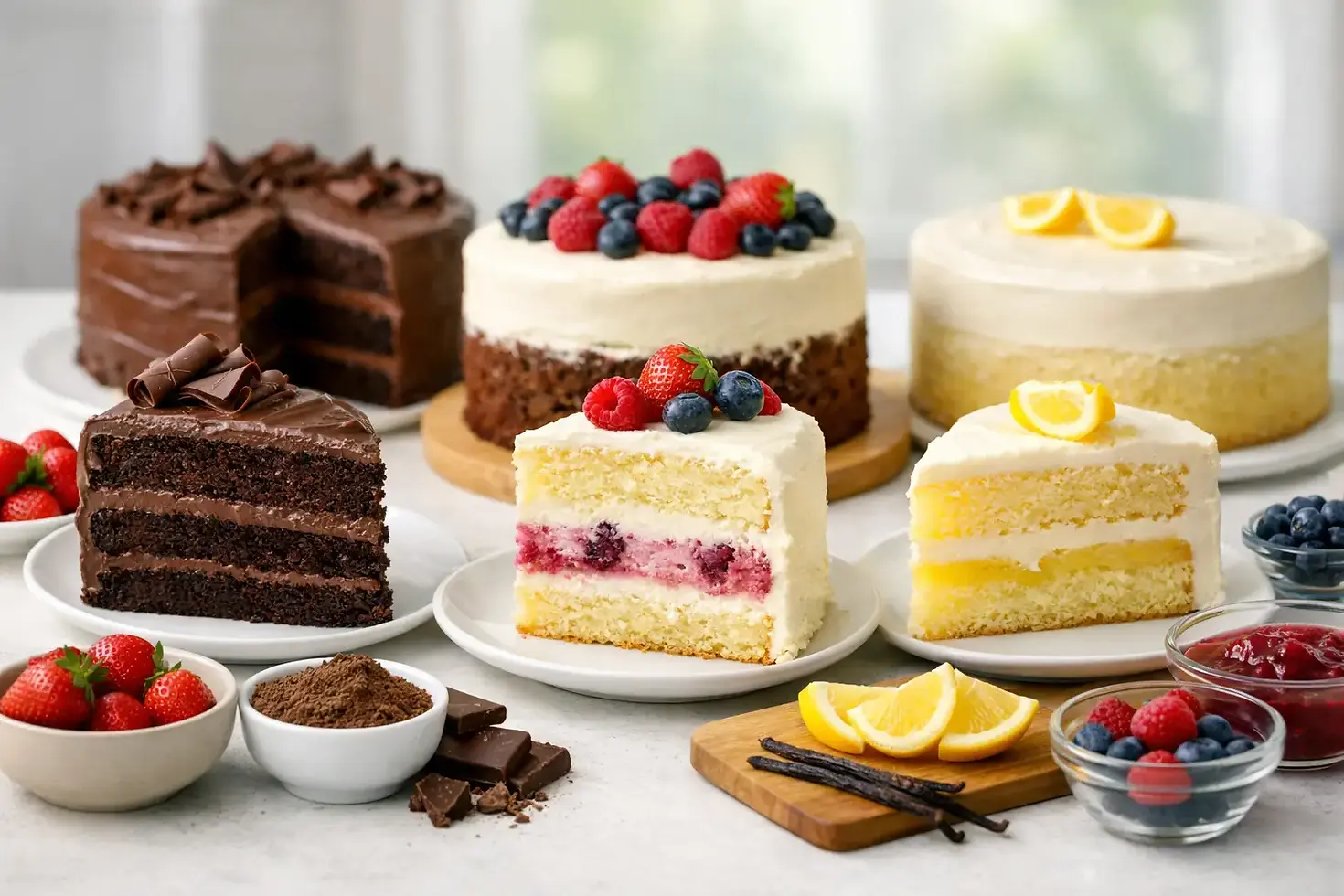
How to Choose Cake Flavors That Delight

Some cakes are remembered for their design. The best ones are remembered for the first bite. If you are wondering how to choose cake flavors, the answer is less about following a rule and more about matching the cake to the moment, the people, and the feeling you want to create.
A birthday cake for a child usually asks for something familiar and joyful. A cake sent as a thank-you gift can lean richer, more refined, or more unexpected. A dessert for a dinner party may need to finish the meal beautifully without feeling too heavy. Flavor is where the experience begins, and choosing well makes a cake feel personal before the box is even opened.
How to choose cake flavors for the occasion
Start with the reason for the cake. Occasion matters because flavor sets the tone just as much as decoration.
For birthdays, people often gravitate toward comforting classics such as vanilla, chocolate, or strawberry because they please a wide range of tastes. These flavors feel festive, familiar, and easy to love. If the celebration is for someone with a more adventurous palate, that is where richer combinations like chocolate and coffee, citrus and berry, or almond and cream can feel especially thoughtful.
For gifting, elegance usually wins. A cake meant to say congratulations, thank you, happy anniversary, or thinking of you should feel a little elevated. This is often the right moment for flavors that seem polished rather than playful. Think moist vanilla cake with silky buttercream, dark chocolate with a smooth filling, or a fruit-forward flavor that feels fresh and bright.
For dinner gatherings and holidays, think about the rest of the menu. If the meal is already rich, a lighter cake flavor can be a better finish. Lemon, berries, vanilla bean, or a softly spiced cake may feel more balanced than something deeply fudgy. If the meal is simple or the cake is the centerpiece, a more decadent flavor can carry the moment beautifully.
Consider who will be eating it
One of the easiest ways to choose well is to think honestly about your audience. A cake for eight close friends gives you more freedom than a cake for a full family party with several generations in the room.
If you are serving a mixed crowd, familiar flavors are usually the safest choice. Vanilla is often underestimated, but a well-made vanilla cake with high-quality ingredients tastes luxurious, not plain. Chocolate is another dependable option, especially for birthdays and celebrations where people expect something rich and satisfying. Marble can be a smart middle ground when you want variety without committing to a more unusual flavor.
If you know the guest of honor has a favorite, that should lead. The most memorable cakes often reflect the person, not the crowd. Someone who loves fruit desserts may be happiest with strawberry or lemon. Someone who orders espresso after every meal may adore a mocha-inspired cake. Choosing their favorite flavor can feel more meaningful than choosing the most universally safe option.
Children and adults also tend to respond differently. Kids usually prefer straightforward sweetness and recognizable flavors. Adults often enjoy more contrast - tart fruit against sweet frosting, dark chocolate with less sugar, or nutty, buttery notes layered into the cake.
Balance richness, sweetness, and texture
A beautiful cake flavor is rarely just one note. It works because sweetness, richness, and texture are in balance.
Chocolate cake, for example, can range from light and fluffy to dense and deeply decadent. Vanilla can feel airy and delicate or buttery and indulgent. A fruit flavor can brighten the entire cake, but if it is too subtle, it disappears under frosting. When choosing a flavor, ask yourself whether you want the cake to feel light, rich, refreshing, or celebratory.
This is especially helpful when comparing options that all sound delicious. If you are torn between chocolate and lemon, the decision may come down to mood. Chocolate feels cozy, lush, and classic. Lemon feels fresh, sunny, and crisp. Neither is better. They simply create different experiences.
Texture also matters more than people think. Soft cake layers, creamy fillings, and smooth frosting make a cake feel luxurious. A denser crumb or a filling with fruit pieces can add more character. If you prefer a cleaner, more elegant finish, choose flavors that tend to be silky and balanced. If you want something bold and memorable, contrast can be your friend.
How to choose cake flavors that pair well
If your cake includes filling, frosting, or layered flavor elements, pairing becomes part of the decision.
The easiest approach is to pair one main flavor with one supporting flavor. Vanilla and berry work because the vanilla gives warmth while the fruit adds brightness. Chocolate and caramel feel indulgent because both are rich, but they offer different kinds of sweetness. Lemon and vanilla create a softer citrus profile than lemon alone.
Too many flavor ideas in one cake can make it feel unfocused. A cake does not need to combine chocolate, fruit, nuts, cream, and spice to be special. In fact, the most elegant cakes usually choose one flavor family and let it shine.
Contrast is useful, but harmony matters more. If the cake is very sweet, a tart or lightly bitter note can help. If the flavor is delicate, the frosting should not overpower it. This is one reason artisanal cakes stand out - each part is considered together rather than piled on for effect.
Classic flavors versus unique flavors
There is always a moment when someone wonders if they should play it safe or choose something more distinctive. The honest answer is that it depends on the size and purpose of the celebration.
Classic flavors are classic for a reason. They are broadly appealing, easy to serve to groups, and comforting in the best possible way. Vanilla, chocolate, strawberry, and marble remain favorites because they deliver exactly what people hope a celebration cake will deliver.
Unique flavors can be wonderful when the cake is meant to feel highly personal or elevated. They are especially fitting for smaller gatherings, thoughtful gifts, or celebrations where the audience is open to something less expected. The trade-off is simple: the more distinctive the flavor, the more likely some guests will love it and others will prefer something familiar.
When in doubt, choose a classic with a refined twist rather than a flavor that feels too niche. That gives you the best of both worlds - something approachable, but still memorable.
Don’t forget dietary needs
A thoughtful cake choice includes everyone who is meant to enjoy it. If you are ordering for a group, it helps to ask early whether anyone needs sugar-free, gluten-free, or vegan options.
This does not mean sacrificing flavor. A well-crafted specialty cake can still feel indulgent, moist, and celebration-worthy. The key is to choose a bakery that treats dietary cakes with the same care as every other cake. That attention shows in the texture, finish, and overall experience.
If dietary needs are part of the occasion, let that shape the flavor choice from the beginning rather than treating it as an afterthought. A cake that is both beautiful and inclusive always feels more generous.
A simple way to make the final decision
If you are stuck between several options, narrow your choice with three questions. First, who is this cake really for? Second, do you want the flavor to feel classic or distinctive? Third, should the cake end the moment with richness or freshness?
Those answers usually point you in the right direction. A family birthday may call for chocolate or vanilla. A polished thank-you gift may feel perfect in a fruit-forward or elegant buttercream flavor. A dinner gathering might benefit from something light and balanced instead of overly sweet.
And if you are still unsure, choose quality over complexity. A freshly baked cake made with care, beautiful ingredients, and a flavor profile that suits the occasion will always outshine a more elaborate idea that misses the mood. At The Sweet Bakehouse, that is often what makes a cake feel less like dessert and more like a gift.
The right flavor does not have to impress everyone on paper. It only has to feel right when the box is opened, the slices are shared, and the room goes quiet for that first delicious bite.


Comments